Diyathuru Uyana Wetland Park
A Sustainable Haven by Hayleys Fabric PLC


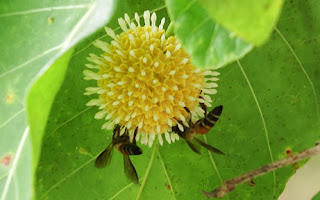


The project’s multifaceted objectives span various SDGs, ranging from promoting sustainable agriculture to efficient water management, enhancing employee well-being, fostering education, and combating climate change. The park’s positive impacts extend far beyond, reaching employees, local communities, students, researchers, and the overall environment.
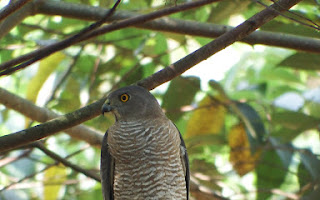
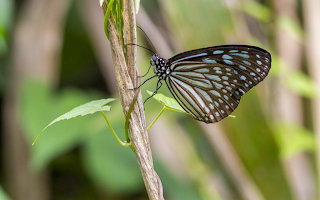
At its core, the project seeks to transform neglected land into a thriving wetland, aligning seamlessly with Sustainable Development Goals (SDGs) and setting a notable industry precedent. Boasting a rich array of flora and fauna, the wetland is home to 146 floral and 149 faunal species, making it a beacon for achieving more than ten SDG goals.
The project’s multifaceted objectives span various SDGs, ranging from promoting sustainable agriculture to efficient water management, enhancing employee well-being, fostering education, and combating climate change. The park’s positive impacts extend far beyond, reaching employees, local communities, students, researchers, and the overall environment.
Crucially, the development of Diyathuru Uyana is a collaborative effort with the Ministry of Environment and the Central Environmental Authority. This meticulous project adheres to a comprehensive plan, securing necessary approvals. Key aspects include enriching biodiversity, eliminating invasive flora, and introducing endemic, native, and endangered plants. A thorough biodiversity survey conducted by field experts has unveiled the area’s rich ecological diversity.
Diyathuru Uyana is not just a wetland; it signifies a commitment to the harmonious coexistence of industry and nature. Positioned as a pioneering initiative, it encapsulates the essence of sustainable development, firmly placing Hayleys Fabric PLC as a global leader in eco-conscious business practices. The wetland park stands as a living testament to the company’s vision – weaving a better environment for all.
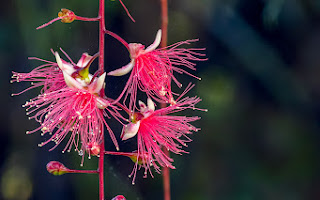
136 Species of Flowering
Local Name : Goda-Midella
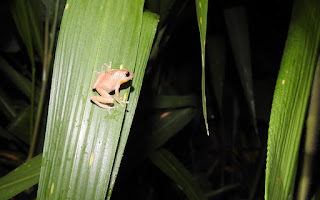
6 species of Amphibians
Local Name : Common Shrub Frog

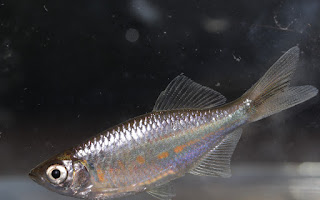
9 Species of Fish
Local Name : Olive Brab
Green Belt
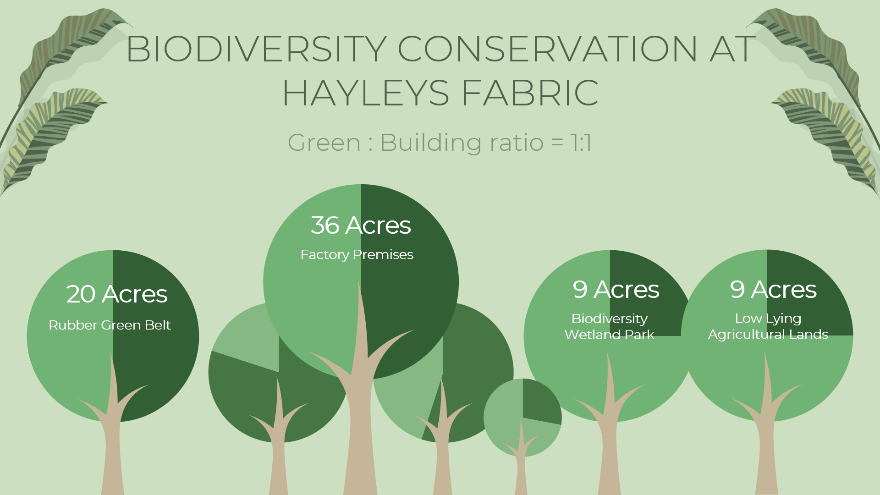
A 20-acre rubber land adjacent to the factory premises has been reserved by Hayleys Fabric PLC as a green belt.
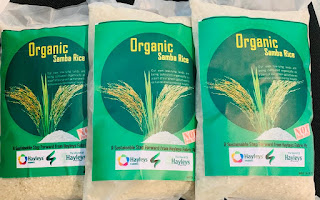


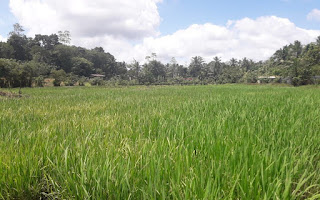

Organic Harvesting
Restoration of threatened LAGENANDRA species
In collaboration with the universities of Peradeniya and Wayamba together with the CEA, Hayleys Fabric PLC embarked on a project to Restore the threatened Lagenandra species in the Kaluthara District. The species is a threatened group of aquatic plants that have been over exploited from the wild for ornamental purposes due to their attractive foliage and inflorescences.
Nineteen (19) Lagenandra species have been recorded in the world of which Sri Lanka habors twelve (12) species, out of which 11 are endemic to the country. Under this ongoing project we will be restoring 3 species with an investment of USD 6,800 Mn been made so far.



Flora Freedom Reviving Balance, Preserving Diversity
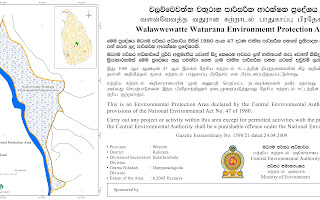
The Walauwewatte Wathurana Environmental Protection Area in Kaluthara district, Sri Lanka, is the country’s sole freshwater swamp forest, it showcases unparalleled and unique features that have captivated researchers and nature enthusiasts worldwide. It’s the only known habitat for rare plant species such as Stemnoporousmooni (‘Hora Wal’) and Mesuastylosa (‘Suwanda’), making its preservation crucial for their survival.
This area is also a biodiversity hotspot, hosting a diverse array of plant and animal species that contribute to delicate ecological balance of the region. Protecting this balance is vital for local ecosystem’s well-being and for scientific researches, which can guide future conservation efforts.
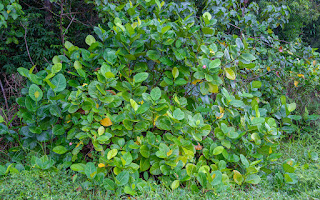

Hayleys Fabric PLC, in collaboration with the Central Environmental Authority, is leading a project to preserve the biodiversity of this area. Our primary objective is to secure funding for the systematic removal of invasive plants that threaten the natural habitat and disrupt the ecosystem.
Then our project aims to raise public awareness by funding the installation of information boards, effectively educating visitors about the area’s significance and the urgent need for conservation. Moreover, we’ll allocate funds to conduct research, allowing scientists and environmentalists to delve deeper into this extraordinary ecosystem and develop comprehensive strategies for its long-term protection.