
Environment
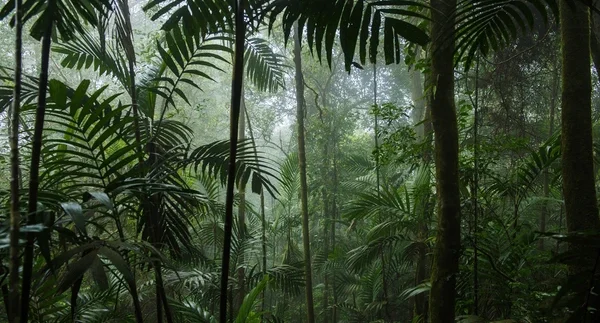


Biodiversity conservation and preservation relating to our business operations
Value addition across all waste generations
Ensure responsible consumptions of natural resources and sustainable production
Ensure best chemical management practices across the supply chain
Applications of sustainable water source
Reducing water intensity through efficiency improvements
Reliance on sustainable and renewable energy sources
Reduction in energy intensity through improving operational efficiencies
Reduction in absolute carbon footprint
Optimize the sustainable innovations relating to our business operations
We stand fully committed to protecting and nurturing the surrounding environment through well-managed nature conservation programmes and initiatives.
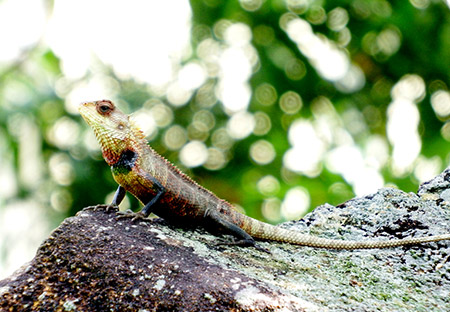
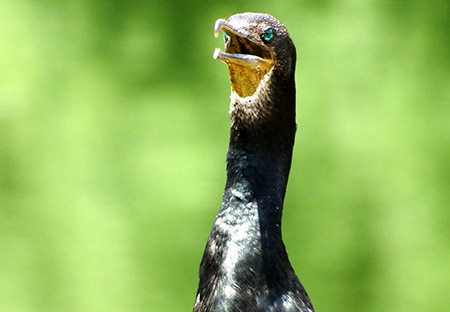


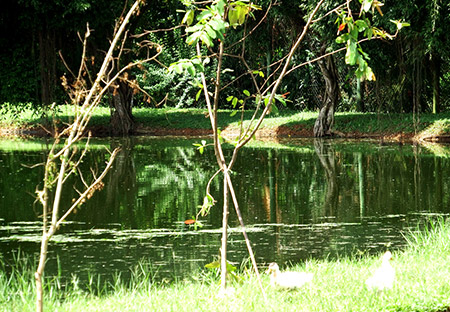
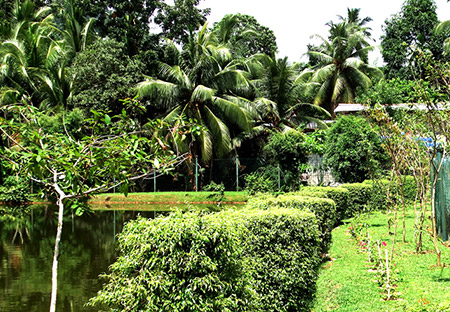

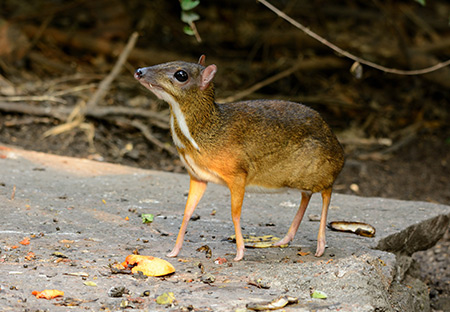

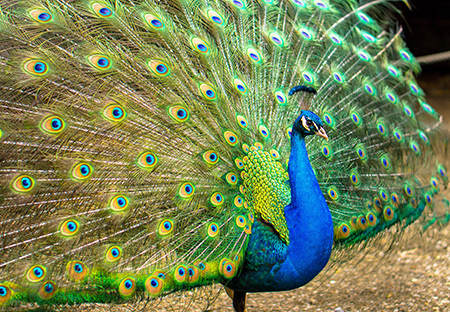
Large populations of fauna and flora have been observed including indigenous flora, native plants, butterfly species, dragonfly species, other insect species, wetlands and other wet zone birds, few small mammals, reptiles and amphibian species. Evidence suggests the existence of number of other nocturnal species like fishing cat and other fauna which are inhabitant for this area. A Biodiversity Survey Report has been commissioned in collaboration with the Central Environment Authority (CEA) Forestry Department and is expected to be released early 2020/21.
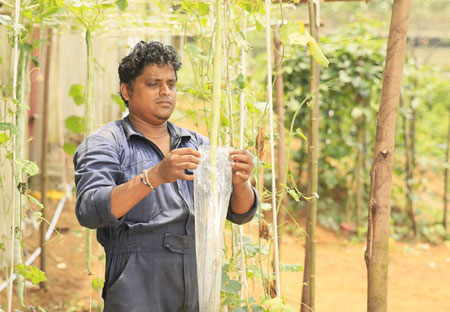
Our staff are engaged in organic farming to demonstrate the importance of maintaining the long-term fertility of the soil, as it’s one of the most important resources. In our organic farm we aim, as far as possible, for a closed system. External inputs and waste outputs are kept at a minimum. The harvest of the organic farm is shared among staff, themselves.





Reducing the amount of energy we use can help us to minimize our carbon footprint and would provide economic incentives, as energy accounts for a significant portion of our cost of production. We continuously look for ways to make our operations more energy efficient by reducing the amount of energy we need to produce our fabric.
Energy management is a key focus area and a number of initiatives have been taken to shift to a greener source of energy. We have taken measures to minimize the usage of energy through the following actions.


Water is a material aspect to Hayleys Fabric, as our fabrics cannot be produced without significant quantities of water, especially in the dyeing process. Consequently, every effort is been made to ensure that we minimize the usage of water in a conscious manner.
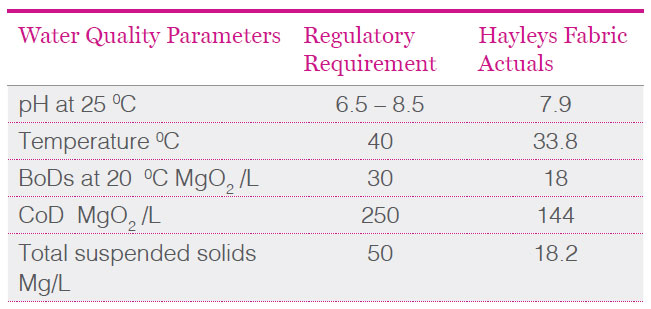
Hayleys Fabric withdraws fresh water from the river – Kalu Ganga, that runs adjacent to the factory. We evaluate the risks of wastewater disposal and the long-term social and environmental impacts on use of local water resources. Number of measures have been taken to minimize the water withdrawal and efforts have been made to maintain the quality of discharged water below regulatory requirements.


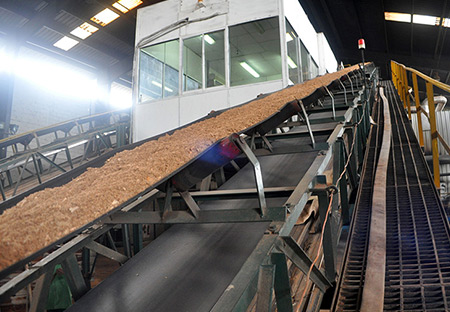
Waste yarn and fabric is inevitable in the fabric manufacturing process. We don’t use them for landfilling. These waste yarns and fabrics are sold to villagers for a nominal value, who uses them for cottage industries, such as making wicks for oil lamps, rugs and other products. This has facilitated development of livelihoods for people in the village making articles for household use.

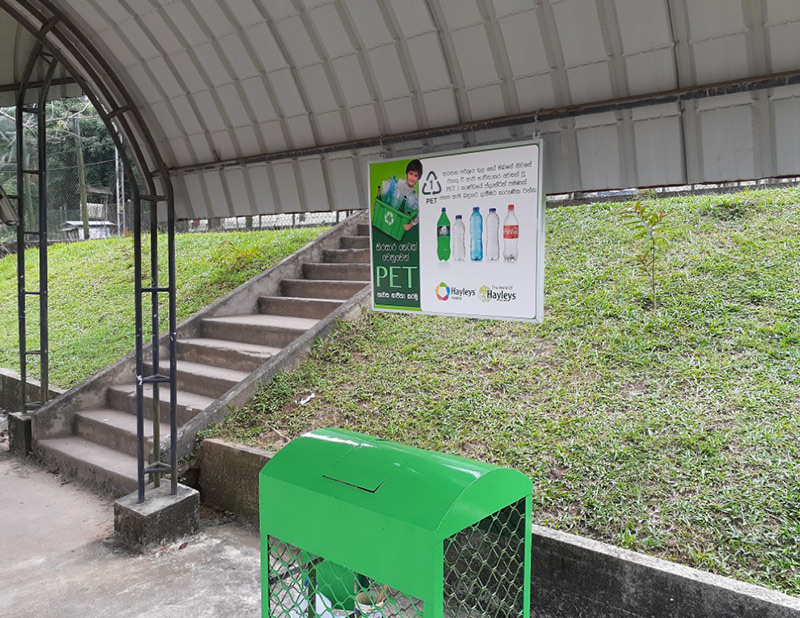
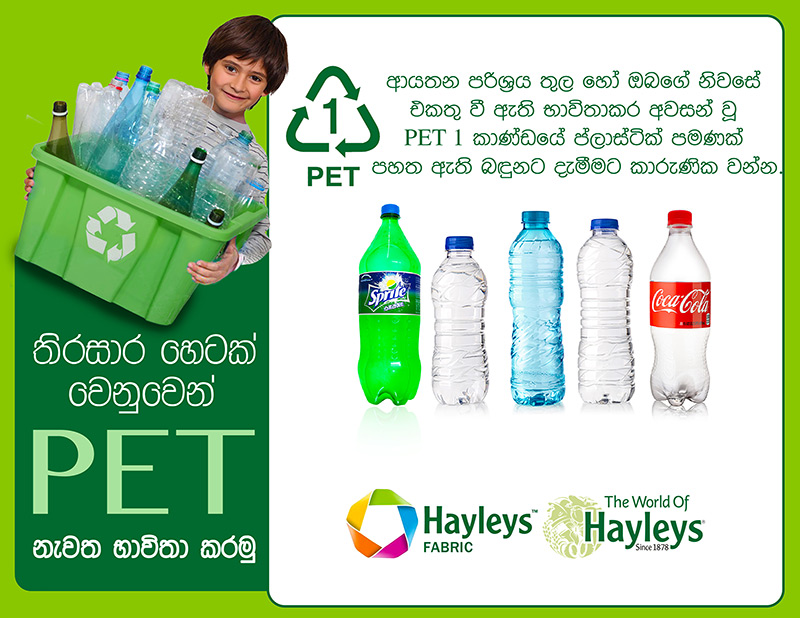
Development and manufacture of polyester fabric from recycled polyester yarn, produced using PET bottle waste collected from the shores of Sri Lanka.
Our modern water treatment plant utilizes enhanced purification methodology to ensure good quality water is consistently discharged to the adjacent river. All treated water is checked in house once in two hours and regular checks are carried out by external agencies such as the Central Environment Authority (CEA), the Water Board and the Board of Investment (BOI).
Our commitment to high ethical standards and sustainability is reflected in our ability to comply with the Zero Discharge of Hazardous Chemicals (ZDHC) Programme, by 2017, ahead of the granted timeline of 2020. ZDHC is a group of global apparel and footwear brands, chemical suppliers, manufacturers and other organisations working together to lead the industry towards zero discharge of hazardous chemicals by 2020, by driving responsible chemical management.
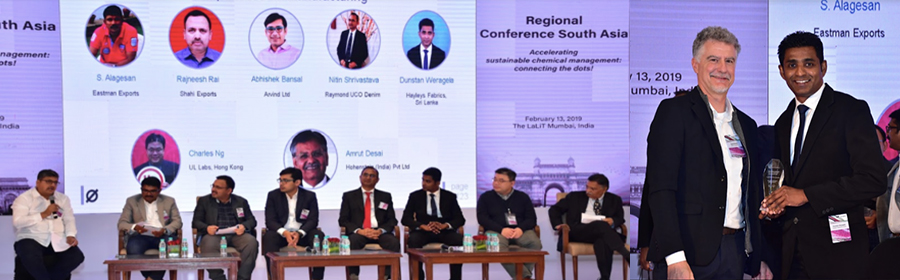
Another accolade confirming the consistent maintenance of superior standards of water quality is the awarding of GREEN status by NIKE Since 2016, the highest rating for compliance with stringent NIKE Water Quality Guidelines under the NIKE Sustainable Water.